
The EME Rooming Resource Hub
Everything EME Rooming has published on co-living and rooming house development in Victoria, in one place. Guides are evergreen: they answer a question and get updated as the ground moves. Articles are written to a moment, a budget, a cost shock, a change in the rules, and are left as they were published.
All of it is written by Georgia Hartin from 30 years of construction and development delivery. All of it is general information, not financial advice.
Guides
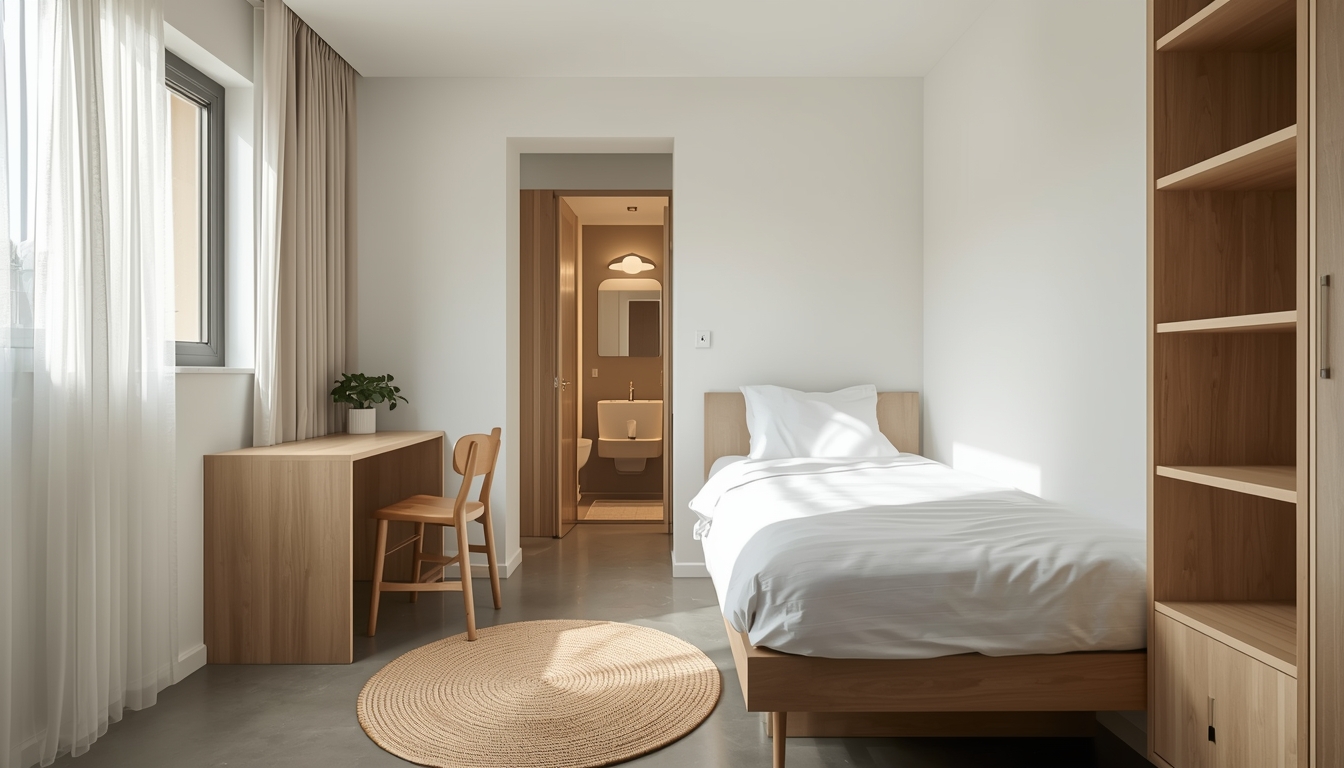
Rooming House vs Co-Living vs Boarding House
In Victoria, 'rooming house' is the legal term. Learn how it differs from co-living and boarding houses, which rules apply and what each term means in practice.
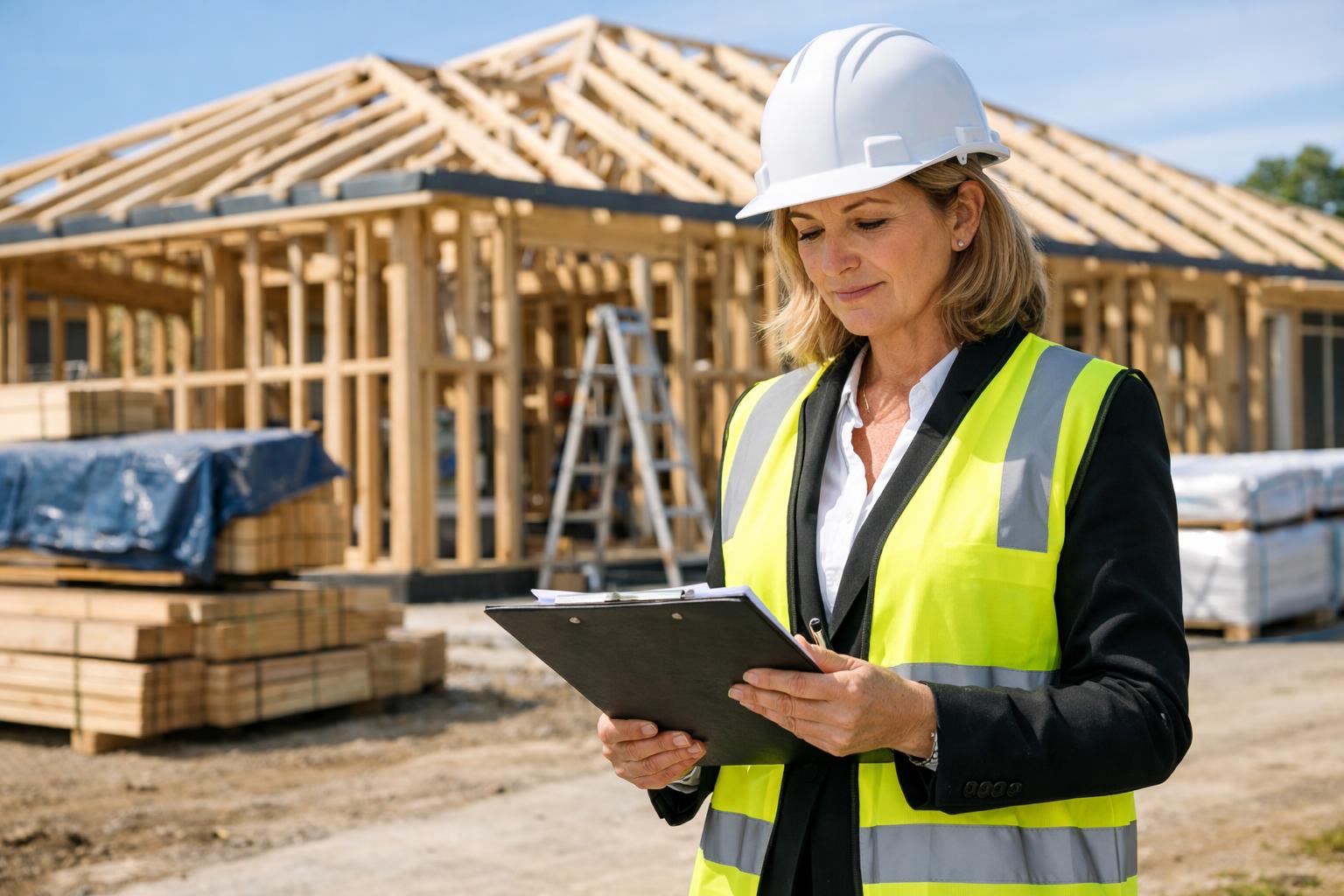
Rooming House Rules in Victoria: Standards and Registration
What Victorian rooming houses must meet: minimum standards for rooms and shared facilities, council registration, operator licensing and building rules.
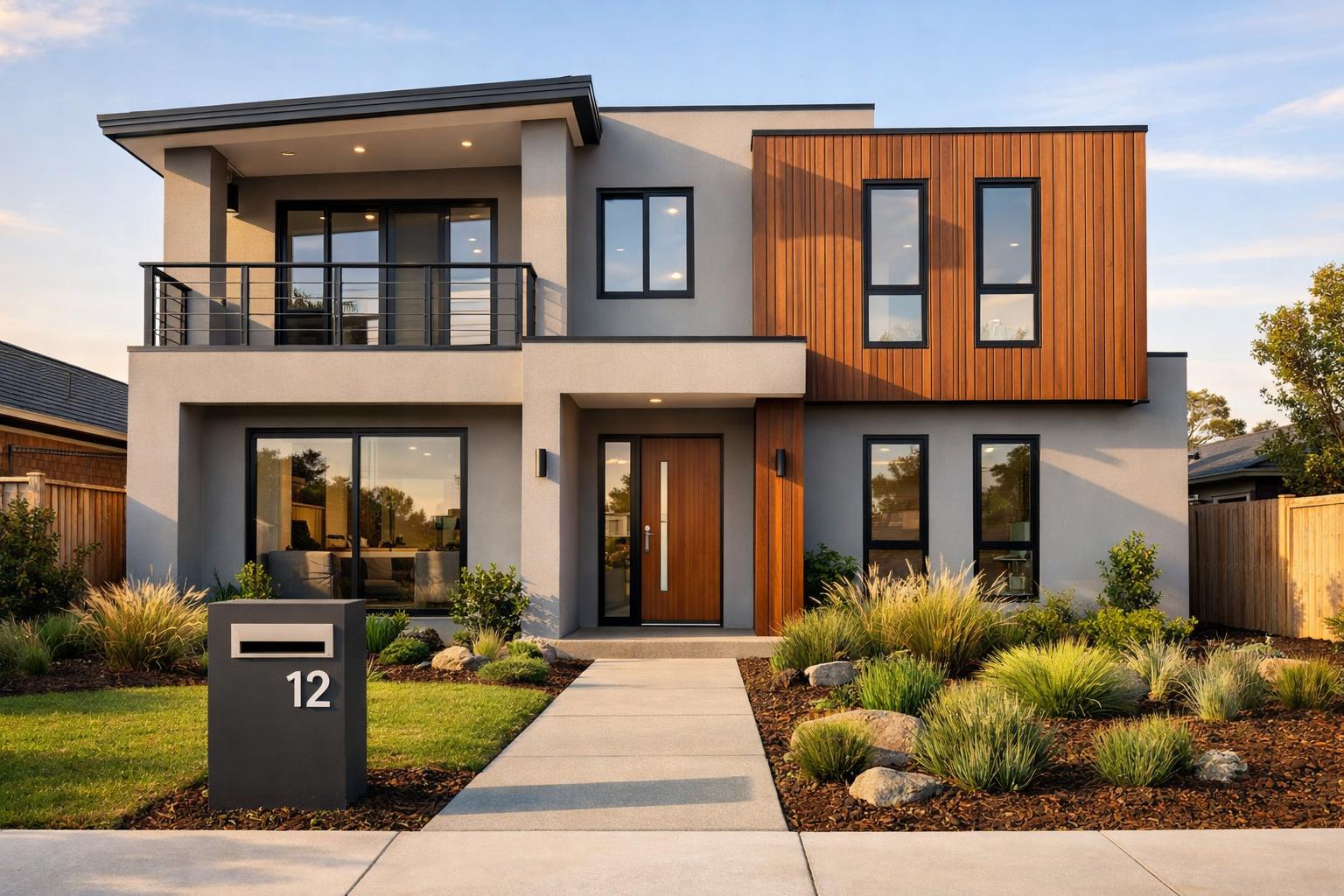
What Is a Class 1b Rooming House in Victoria?
A Class 1b rooming house is a shared home for up to 12 people and 300 square metres. Here's what the Code requires in Victoria and the four approvals it needs.
Why Co-Living Is Australia's Next Structural Housing Solution
Market fundamentals, demand drivers and the partnership structures behind Australia's fastest-growing housing sector. Sent by email. General information only, not financial advice.
Articles
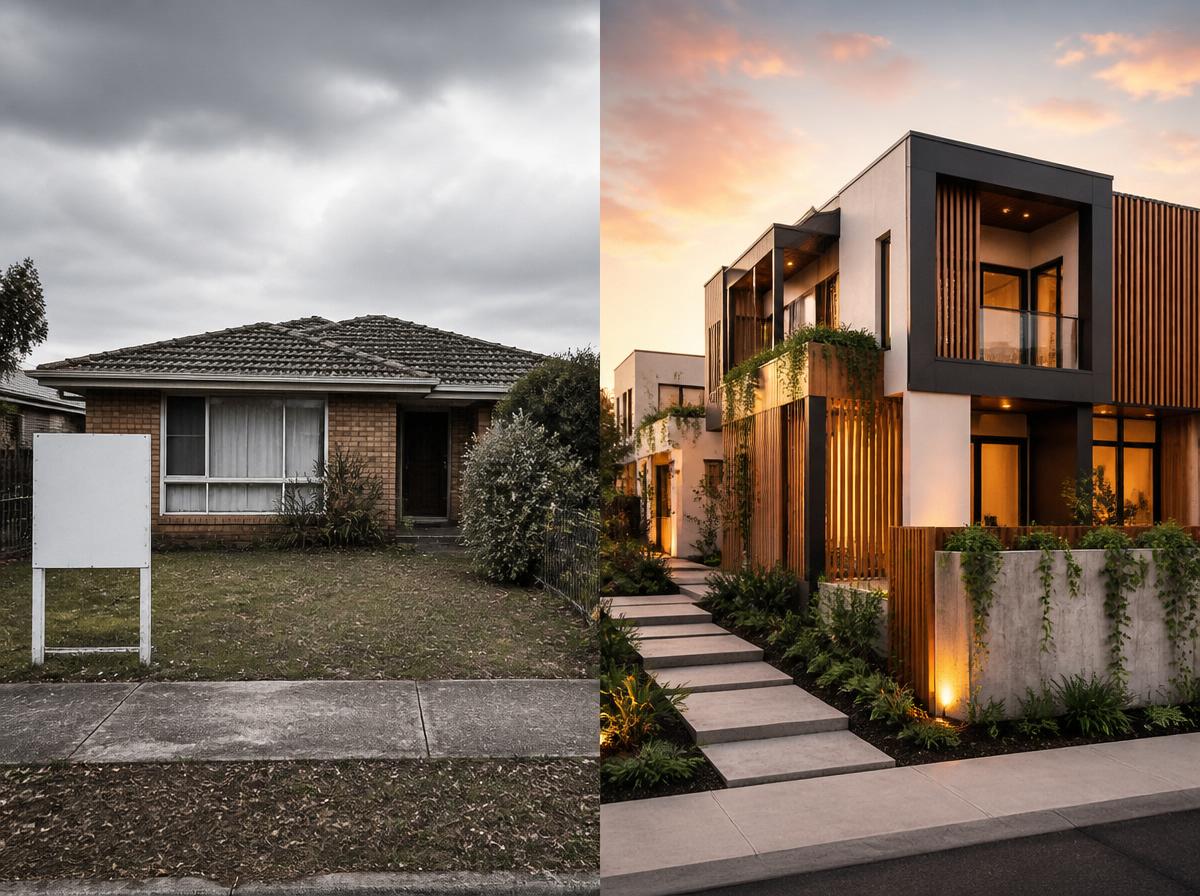
Is Negative Gearing Ending? What the 2026 Budget Means for Investors
The 2026 Federal Budget restricts negative gearing to new builds and replaces the 50% CGT discount. What changed, who it hits hardest, and who it does not.

Should You Build Co-Living During the 2026 Oil Shock?
Oil past $100/barrel. Diesel at $3/litre. PVC up 27%. Why rising construction costs make income-producing co-living development more urgent, not less.
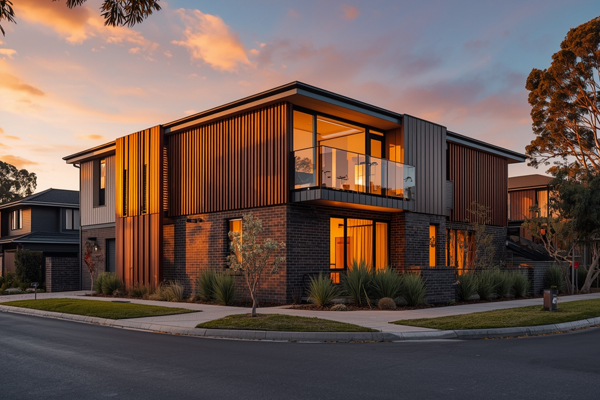
How Does Co-Living Earn 2–3x the Rental Yield in Australia?
61% of Australian households are one or two people, yet 6% of homes have one bedroom. The structural case for co-living investment, and how EME delivers it.
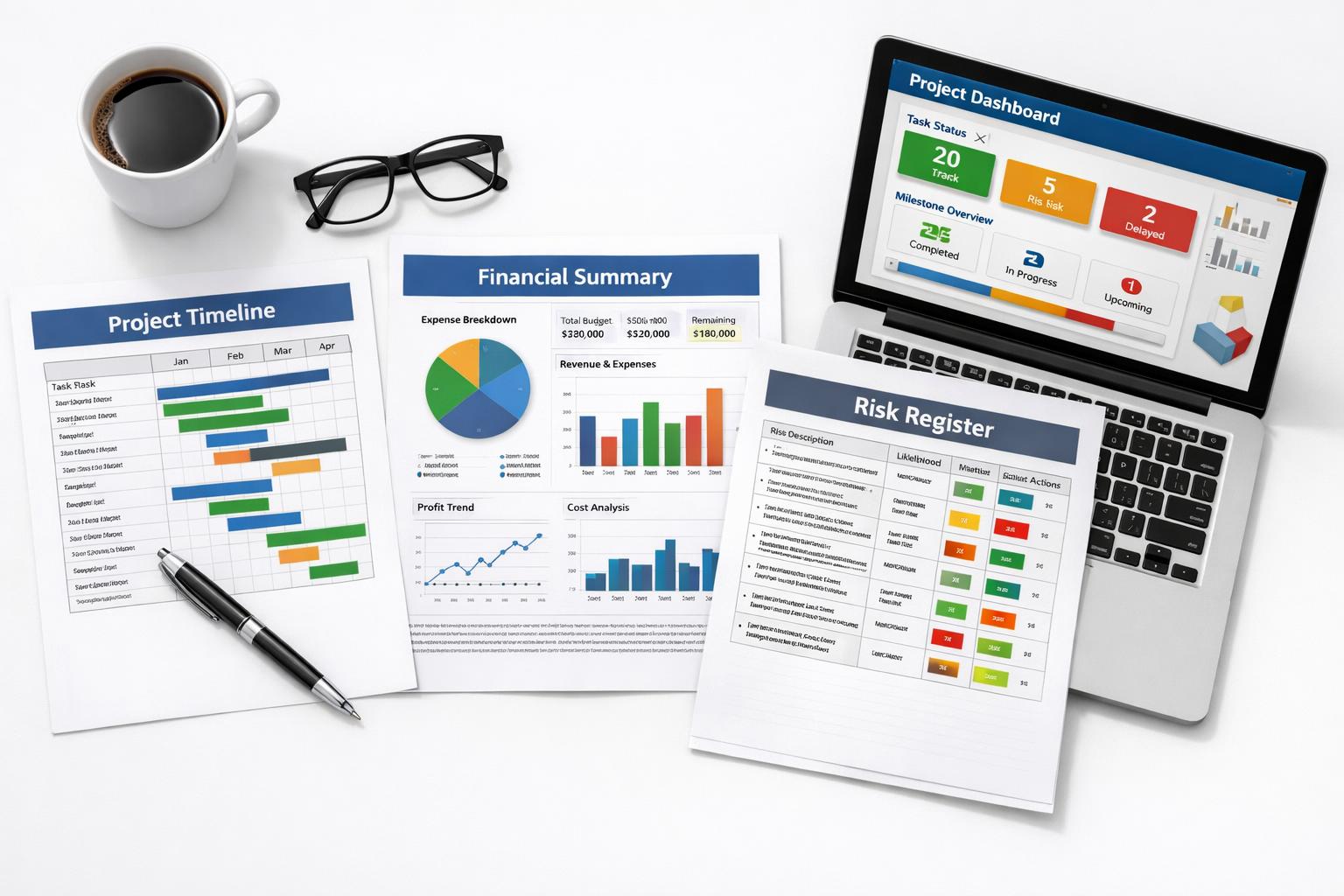
What Are the Risks in Small-Scale Property Development?
Small developments are often run without the governance that protects capital on large ones. The six common gaps, what each costs, and what to ask a developer.
Looking for something specific?
The investor FAQ answers the questions that come up most: the minimum, how capital is secured, SMSF participation, what a Victorian rooming house is and what reporting a partner receives during a build.