
Oil Shock and Australia's Housing Crisis: Why Building Co-Living Now Is the Smartest Move | EME Rooming Houses
The Oil Shock and Australia’s Housing Crisis:
Why Building Income-Producing Assets Just Became the Most Important Thing You Can Do With Capital
Why the Middle East Conflict Makes Building
Income-Producing Housing More Urgent - Not Less
What Has Happened

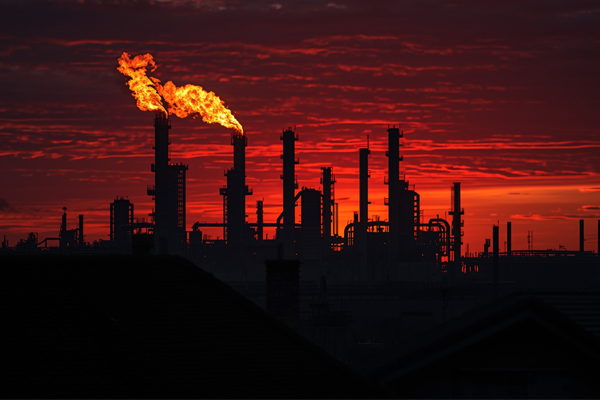
On 28 February 2026, the United States and Israel launched joint military strikes on Iran. Within days, the conflict escalated to a scale that has disrupted the global energy system more profoundly than any event since the 1970s oil crisis.
Sources: Al Jazeera, 2 March 2026; NPR, 1 March 2026
Iran’s Revolutionary Guard declared the Strait of Hormuz closed to shipping and attacked multiple tankers. The strait, which handles roughly one-fifth of global seaborne oil and liquefied natural gas supply, has been effectively shut since early March. Tanker traffic has halted. Insurance companies have withdrawn war-risk cover. Freight rates have surged to historic highs.
Sources: Al Jazeera, 18 March 2026; NPR, 8 March 2026; CNBC, 4 March 2026
The International Energy Agency has assessed this as the largest supply disruption in the history of the global oil market, with Gulf production cuts of at least seven to ten million barrels per day - equivalent to seven to ten per cent of global demand. Iraq, Kuwait, the UAE and Saudi Arabia have all been forced to curtail production as storage capacity fills and there is nowhere to send the barrels.
Sources: Al Jazeera, 23 March 2026 (IEA assessment); Al Jazeera, 9 March 2026
Brent crude, which was trading at approximately US$65–70 per barrel before the strikes, surged past US$100 on 9 March and briefly touched US$120, before volatile swings saw it trading between US$80 and US$110 in the weeks since. At the time of writing in late March, Brent remains elevated at approximately US$108 per barrel following an Israeli strike on Iran’s South Pars gasfield, the largest in the world.
Sources: Al Jazeera, 18 March 2026 ($108.66); NPR, 8 March 2026 (past $100); Al Jazeera, 9 March 2026 ($119)
Global oil prices have surged by more than fifty per cent since the start of the conflict, and the IEA is considering the largest release of strategic petroleum reserves in its history to stabilise markets.
Sources: Al Jazeera, 8 March 2026 (50% surge); Al Jazeera, 11 March 2026 (IEA reserve release consideration)
The Direct Impact on Australia
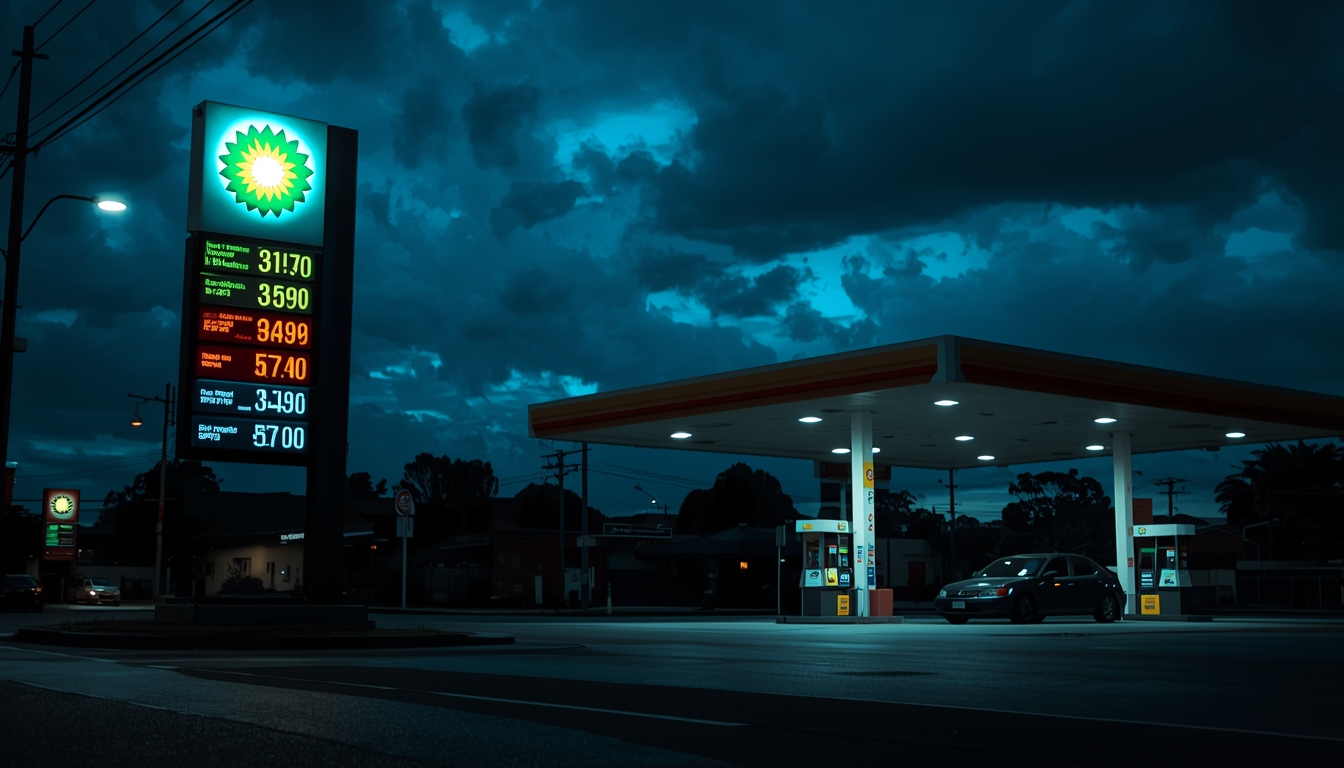
Australia imports approximately 90 per cent of its liquid fuel and operates only two refineries - the Ampol Lytton refinery in Brisbane and Viva Energy’s Geelong refinery in Victoria. Together, they supply less than 20 per cent of national demand. Current domestic fuel stocks cover approximately 36 days of petrol and 32 days of diesel.
Sources: Macquarie University Lighthouse, March 2026; Scimex Expert Reaction, March 2026; CPD Centre, March 2026
The impact on the bowser has been immediate and severe. Australian petrol prices have risen by roughly 50 cents per litre in the weeks since the conflict began, with diesel hitting $3 per litre in March 2026 and petrol regularly exceeding $2.80 to $3.10 across Melbourne, Sydney and other capitals. More than 80 fuel stations in New South Wales ran out of diesel, and 40 had no petrol at all. The Prime Minister has appointed a national fuel coordinator and released fuel from emergency reserves.
Sources: SBS News, March 2026 (ACCC 50c average rise); CPD Centre, March 2026 (diesel $3/L); Macquarie Lighthouse, March 2026 (36 days supply)
The Reserve Bank of Australia, which had already raised the cash rate by 25 basis points to 3.85 per cent in February 2026 on the back of persistent domestic inflation, raised rates again in March to 4.10 per cent, citing the inflationary impact of sharply higher fuel prices. Markets are now pricing the possibility of at least one further increase this year. National Australia Bank has forecast inflation will exceed five per cent in the coming months. Treasurer Jim Chalmers has acknowledged the consumer price index is likely to exceed 4.5 per cent due to the conflict.
Sources: API Magazine, 17 March 2026; Australian Property Update, March 2026 (RBA to 4.10%); Perpetual Weekly Update, 23 March 2026
The Commonwealth Bank’s Head of Australian Economics, Belinda Allen, warned that energy costs do not just affect petrol; they flow through to food, freight and manufactured goods. In a worst-case scenario of sustained oil near US$150, Australian economic growth could effectively halve while inflation moves well above five per cent.
Source: CommBank Newsroom, March 2026
The Construction Industry: Already Fragile, Now Under Siege
The construction sector entered this crisis in a state of acute vulnerability. In 2025 alone, there were 3,596 building industry insolvencies, the highest rate of any sector in Australia. Builders and subcontractors operate on thin margins, rely on diesel-powered equipment and trucks for daily operations, and are exposed to petroleum-based materials across almost every trade.
Sources: SBS News, 21 March 2026 (ASIC insolvency data); CPD Centre, March 2026
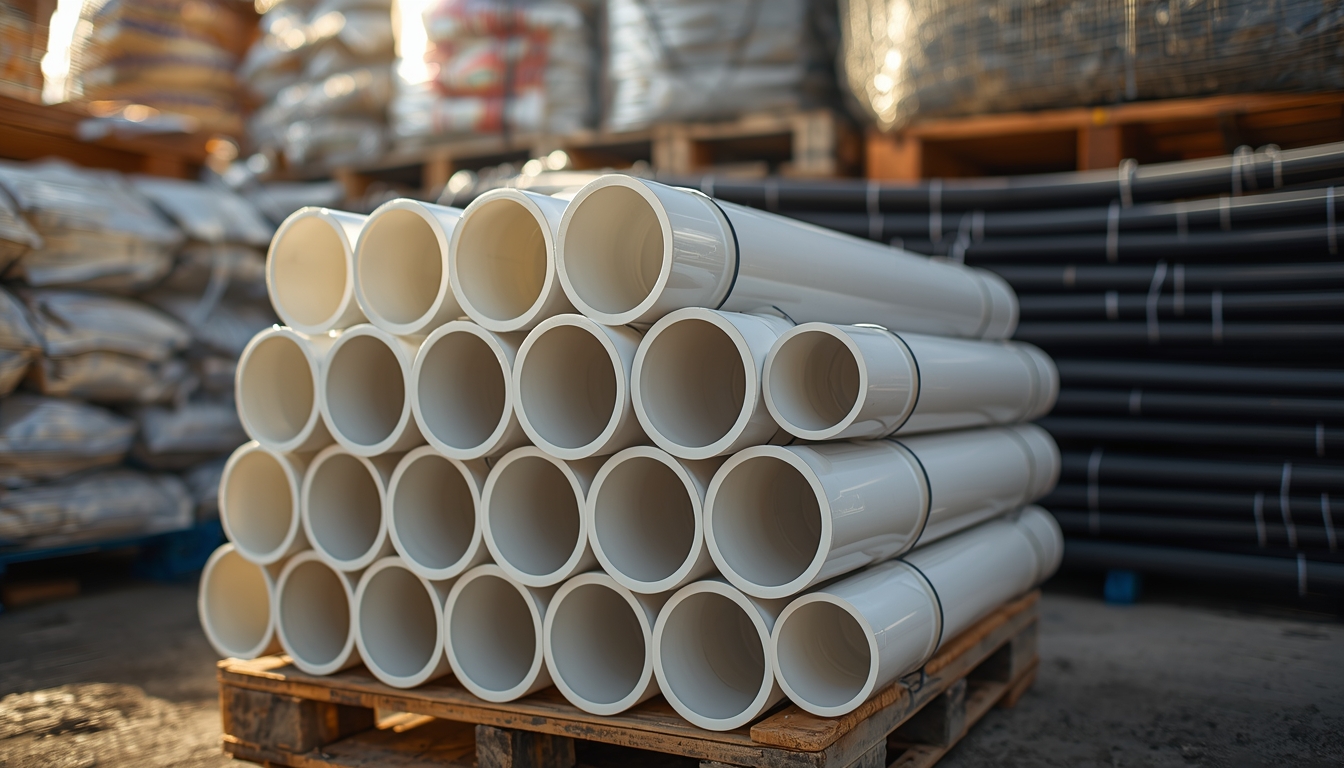
The oil shock is now hitting construction from multiple directions simultaneously. An internal communication from piping supplier Iplex to Reece Plumbing, obtained by The Nightly, reveals that prices for petroleum-based piping materials will surge from 17 April 2026: PVC products up 27 per cent, polyethylene up 36 per cent, and polypropylene up 31 per cent. The supplier also warned of up to a 10 per cent increase in freight charges due to global disruptions to the petrochemical supply chain.
Source: The Nightly, 24 March 2026 (Iplex letter to Reece Plumbing)
The Housing Industry Association has confirmed that builders have been receiving notices about impending price increases across concrete, steel reinforcement, PVC and other plastic plumbing pipes. HIA chief executive of industry and policy Simon Croft stated that high fuel costs are a major driver, as delivery levies and surcharges are passed through directly to material prices. Master Builders Australia CEO Denita Wawn warned that higher costs will harm productivity and affordability at a time when a dramatic increase in housing supply is needed.
Sources: The Nightly, 24 March 2026 (HIA); SBS News, 21 March 2026 (Master Builders); Master Builders Australia, 30 January 2026 (PPI data)
Rider Levett Bucknall forecasts construction costs will rise between four and six per cent nationally in 2026, with the oil shock now threatening to push those numbers higher. Building construction costs were already rising at an annualised pace of approximately 4.9 per cent in the second half of 2025. The latest ABS Producer Price Index data showed the cost of a newly built home was 2.3 per cent higher year-on-year, with cement products up 5.2 per cent and ceramics up 2.6 per cent, even before the oil shock hit.
Sources: RLB Oceania, December 2025; Altus Group Q4 2025; Master Builders / ABS PPI, January 2026
The Urban Development Institute of Australia forecasts a shortfall of 380,000 dwellings by 2030 and an 11 per cent drop in production in 2026, as rising costs and labour shortages deter developers. Australia’s National Housing Accord target of 1.2 million homes in five years is now under direct threat.
Sources: UDIA via SBS News, 21 March 2026; CPD Centre, March 2026
The Counterintuitive Case: Why This Makes Building Co-Living More Urgent, Not Less

The instinctive reaction to rising construction costs is to stop building. Wait for costs to come down. Pause until the dust settles. For many operators and developers, this is exactly what will happen. The UDIA’s forecast of an 11 per cent drop in production this year tells us that.
But for investors with a different time horizon and a different asset model, the logic runs in the opposite direction.
Here is why.
1. Every project that stops is a supply that does not arrive.
Australia’s housing shortfall is estimated at 200,000 to 300,000 dwellings. The construction industry was already failing to close that gap before this crisis. With an 11 per cent production drop forecast, the shortfall will widen. Fewer homes being built means the rental supply shrinks further. Rents, which have already surged 42.9 per cent over the past five years, continue to rise. For an operator who builds income-producing assets, every project that a competitor pauses is a reduction in future supply competing for the same tenants.
Sources: AMP / Shane Oliver (200–300K shortfall); Cotality / Tim Lawless (42.9% rent surge); UDIA (11% production drop)
2. Interest rate rises push more people into the rental market for longer.
The RBA’s cash rate is now 4.10 per cent, and markets are pricing in further increases. Higher rates reduce borrowing capacity. The Westpac–Melbourne Institute survey showed the “time to buy a dwelling” index fell to 82.9 in March 2026 — a new cycle low. Fewer buyers mean more renters, which in turn drives deeper demand for rental housing. Australian households are now dedicating a record 33.4 per cent of pre-tax income to rent.
Sources: API Magazine, March 2026 (4.10%); Global Property Guide (Westpac survey, 82.9); Cotality (33.4% rent-to-income)
3. Construction costs will not come down. They will plateau at a higher base.
History shows that construction cost spikes caused by energy shocks do not fully reverse. After the 2022 Russia-Ukraine shock, material prices stabilised at levels well above their pre-shock baseline. The same pattern is forming now. PVC, polyethylene, concrete, and freight costs are resetting at a structurally higher level. Building later does not mean building cheaper. It means building at the new base price, after the opportunity to acquire sites at today’s prices has passed.
4. An income-producing asset hedges against everything that is going wrong.
Higher interest rates erode the value proposition of capital-growth-dependent investments. But an asset that generates income from day one - multiple independent tenancies producing income regardless of market direction - is structurally resilient to rate rises, inflation, and demand compression. Income is driven by occupancy, not by appreciation. And occupancy, in a market with national vacancy below two per cent and structural undersupply worsening, is not a concern.
Source: Cotality / Global Property Guide (national vacancy 1.7% in Q4 2025)
5. The window for discounted site acquisition in Victoria is still open.
Traditional landlords continue to exit Victoria under the weight of higher land tax, compliance costs, and now rising interest rates. Properties in strong locations are entering the market at distressed prices. This window will not remain open indefinitely. As the construction pipeline contracts and rental yields become more widely understood, competition for suitable sites will increase.
The operators who build through this period will emerge on the other side with income-producing assets in a market with less supply, more demand, and structurally higher rents. The operators who wait will pay higher construction costs to enter a more competitive market later.
The question is not whether costs are rising. They are. The question is whether you build an income-producing asset at today’s costs in a market of shrinking supply and record rental demand, or whether you wait until costs are higher, supply is tighter, and every other investor has noticed what you noticed today.
SOURCES & CITATIONS
Al Jazeera – “Oil prices surge after Israeli strike on Iran’s South Pars gasfield,” 18 March 2026
Al Jazeera – “Oil soars past $100 a barrel amid Iran war,” 9 March 2026
Al Jazeera – “Why the oil and gas price shock from the Iran war won’t just fade away,” 23 March 2026
NPR – “Oil prices rise sharply after attacks in Middle East disrupt supply,” 1 March 2026
NPR – “Crude oil prices swing wildly as Iran war stretches on,” 8 March 2026
CNBC – “Middle East conflict poses fresh test to central banks,” 4 March 2026
CommBank – “What you need to know about oil prices,” March 2026
CommBank – “Australia’s inflation pressure rising amid energy price shock,” March 2026
SBS News – “COVID 2.0? Industry group demands fuel carve-out,” 21 March 2026
SBS News – “How do Australia’s petrol prices compare globally?” March 2026
CPD Centre – “NSW Fuel Crisis 2026: Construction Industry Impact,” March 2026
The Nightly – “Building and plumbing costs surge, Middle East war forces price hikes,” 24 March 2026
API Magazine – “Trump-fuelled oil shock forces RBA’s hand, rates rise again,” 17 March 2026
Australian Property Update – “RBA hikes rates again amid oil shock,” March 2026
Perpetual – “Weekly Economic Update: Energy supply shocks,” 23 March 2026
Master Builders Australia – “Higher building material costs fuel housing inflation,” 30 January 2026
RLB Oceania – “Construction cost escalation to remain elevated in 2026,” December 2025
Altus Group – “Australian Construction Price Outlook Q4 2025”
UDIA – Housing production forecasts via SBS News, March 2026
Macquarie University Lighthouse – “Could Australia run out of petrol?” March 2026
Scimex – “Expert Reaction: Australians panic buy as petrol prices go sky high,” March 2026
Global Property Guide – “Australia’s Residential Property Market Analysis 2026”
Cotality (CoreLogic) – Home Value Index, rental data, vacancy rates 2025–2026
AMP / Dr Shane Oliver – Housing shortfall estimates, affordability analysis
Reserve Bank of Australia – Monetary Policy Decisions, February and March 2026