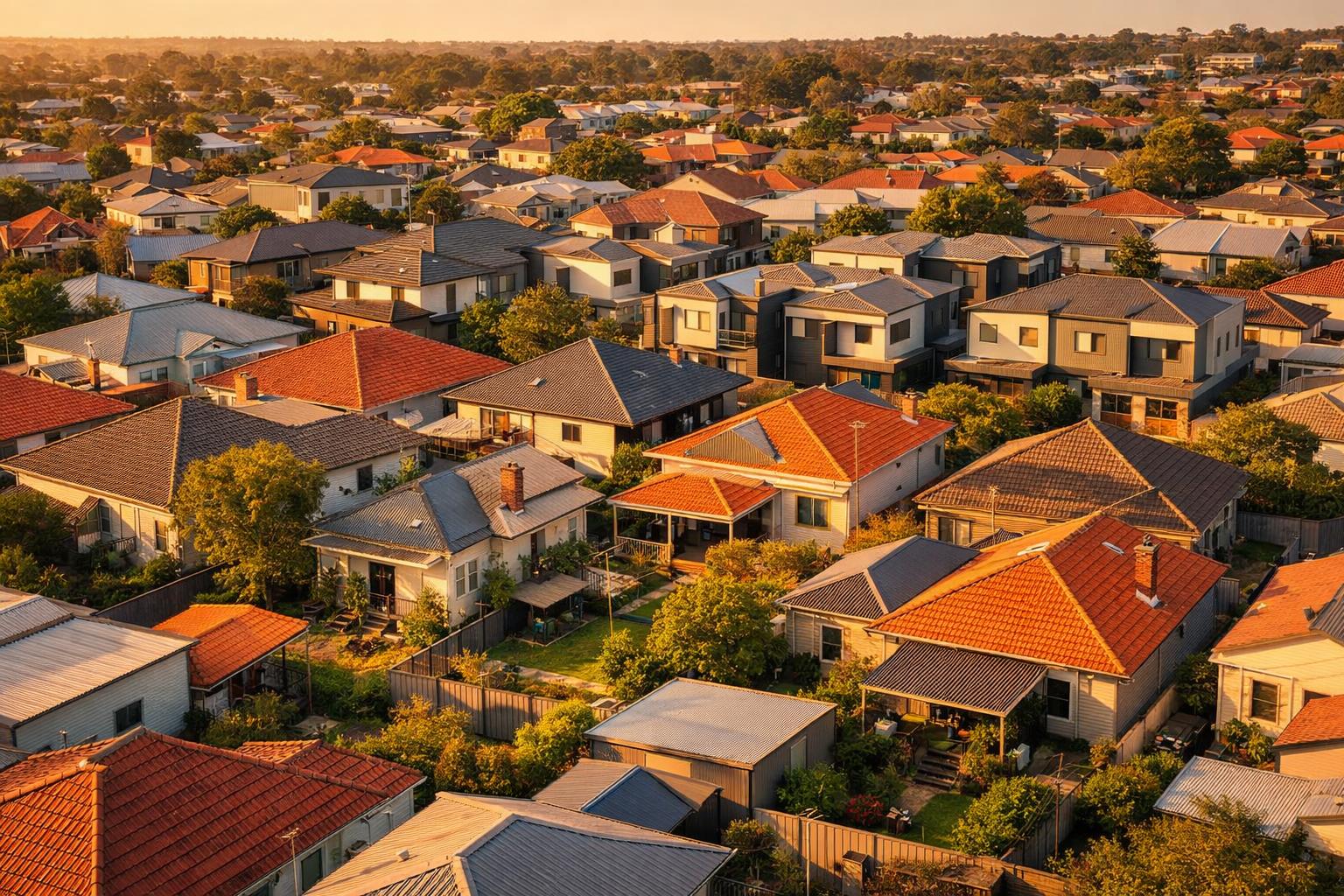
Why Co-Living Is a Structural Housing Solution in Australia
Australia's housing challenge is no longer a debate. It is a demographic reality. Rising rents, shrinking household sizes, chronic undersupply, and a widening affordability gap have created structural conditions that traditional housing models simply cannot solve at scale. Co-living is emerging as a purpose-designed response to these forces, and the development sector is beginning to take notice.
This article examines the evidence behind co-living's growth in Australia. Not as a lifestyle trend, but as a structural housing model underpinned by long-term demographic and economic fundamentals.
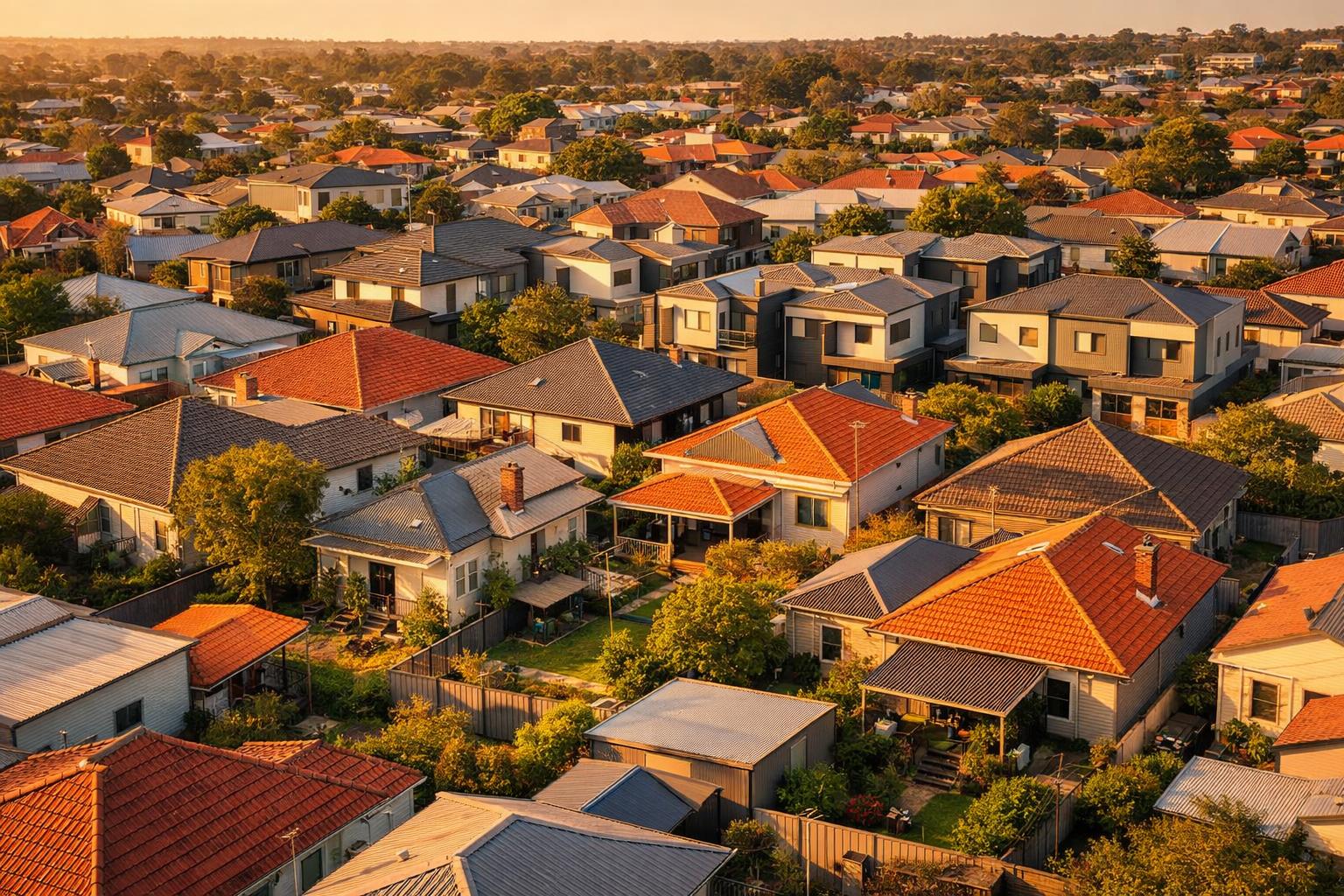
Australia's housing stock is under sustained pressure from population growth, shrinking household sizes, and chronic undersupply.
The Numbers Behind the Challenge
Australia's housing market is under sustained pressure from multiple directions. These are not short-term fluctuations. They are structural forces that have been building for over a decade and show no sign of reversing.

Rental vacancy rates in major capital cities have sat at historically low levels for several consecutive years.[3] New housing construction has consistently failed to keep pace with population growth driven by migration, and planning bottlenecks, labour shortages, and rising material costs have only made the supply problem worse.[4]
Meanwhile, the composition of Australian households is shifting. Single-person households are the fastest-growing household type in the country. The Australian Bureau of Statistics projects that lone-person households will continue to grow as a proportion of all households through to 2046 and beyond.[5] These individuals face the highest per-person housing costs and, increasingly, the highest rates of social isolation.
What Co-Living Actually Is
Co-living is often misunderstood. It is not a rebrand of share housing, and it is not student accommodation. It is a purpose-designed housing model where residents have their own private bedroom (and often ensuite) within a professionally managed home that includes shared living spaces such as kitchens, living rooms, outdoor areas, and sometimes workspaces.
The distinction matters. Traditional share houses are informal, tenant-managed, and often poorly maintained. Co-living homes are designed, built, and operated to a defined standard, with professional property management, curated tenant selection, proactive maintenance, and community-oriented design.
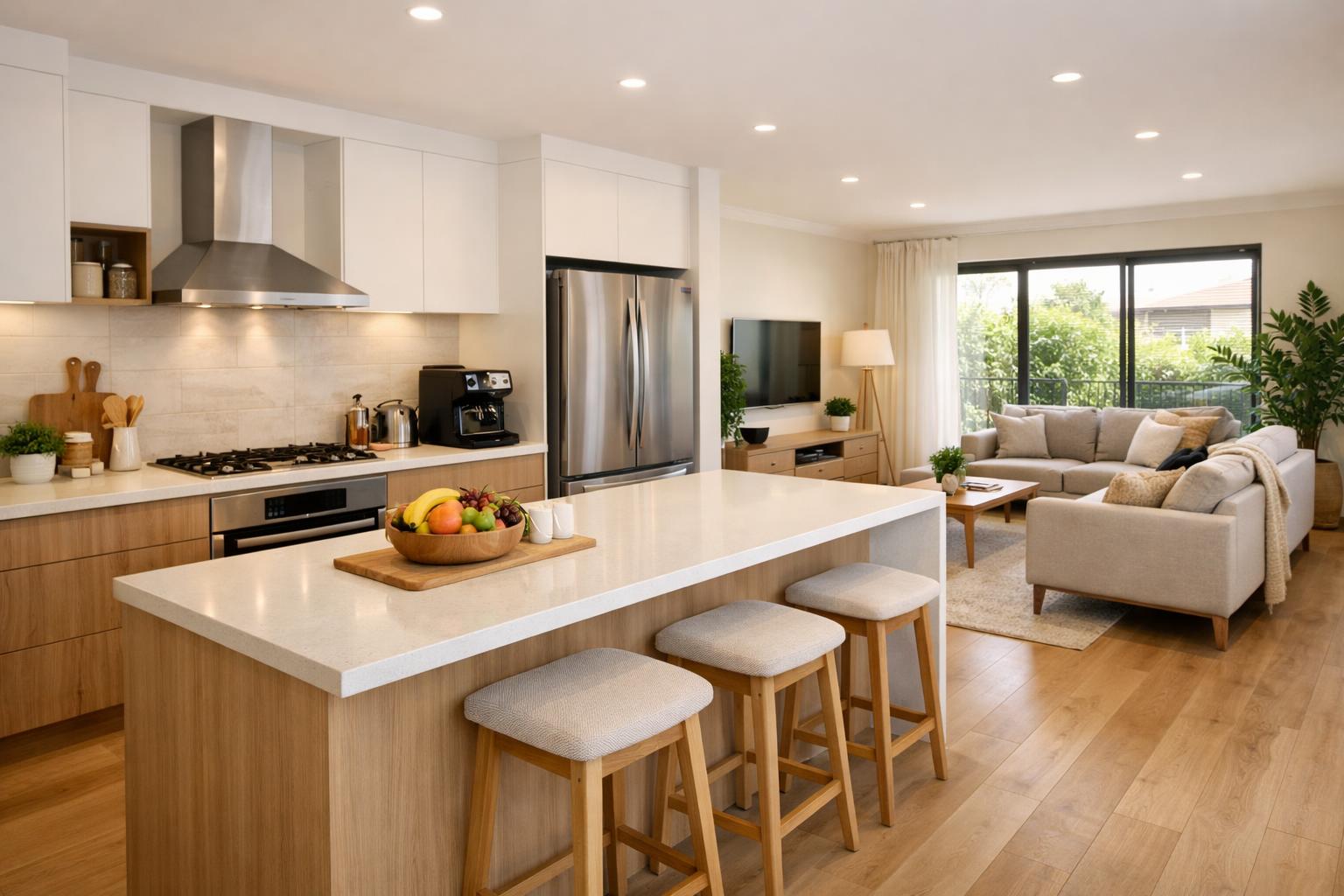
Purpose-designed co-living interiors combine private bedrooms with professionally managed shared living spaces.
How It Differs From Traditional Rental
Rooms typically range from $220 to $320 per week, significantly below the $650+ median for a whole property in capital cities2
All utilities, internet, and furnishings are included, reducing the friction and cost of moving in
Flexible lease terms of 3 to 12 months serve a broader range of life circumstances than a rigid 12-month lease
Professional management means maintenance is proactive rather than reactive, and disputes are handled by an operator instead of between housemates
Shared spaces are designed for connection, not just cohabitation, reducing the isolation that single-person living often creates
Why the Demand Is Structural, Not Cyclical
The demand for co-living is not driven by a temporary market spike or a cultural moment. It sits at the intersection of three long-term forces that are unlikely to reverse in the foreseeable future.
1. Affordability Pressure
The gap between wages and housing costs has widened consistently for over a decade.[6] For individuals on median incomes, particularly essential workers, early-career professionals, and students, renting a self-contained apartment in a capital city now consumes a disproportionate share of their income. Co-living provides a quality alternative at a price point that significantly reduces housing stress.
2. Demographic Shift
Australia's household structure is changing fundamentally. People are marrying later, living alone more often, and forming smaller households.[5] The traditional family home that Australian housing policy was built around is no longer the dominant household type. Single-person households need housing solutions designed for them, not scaled-down versions of family housing.
3. The Isolation Epidemic
In November 2023, the World Health Organisation declared loneliness a "global public health concern" and launched an international commission to address it.[7] The U.S. Surgeon General's 2023 advisory equated the mortality risk of social disconnection to smoking up to 15 cigarettes per day.[8] Australia is not immune. Single-person households, remote workers, new migrants, and people going through life transitions are particularly vulnerable. Co-living directly addresses this by creating a built-in community within the home, not as an add-on but as a fundamental design principle.

Co-living addresses the growing isolation epidemic by building community into the fabric of everyday living.
Co-living is not competing with the rental market. It is serving the segment the traditional market has failed.
The Development Opportunity
For property developers and their capital partners, co-living represents a development model with compelling economics. A single residential property generating $500 to $600 per week in rent can be developed into a compliant co-living home generating $3,500 to $4,200+ per week across multiple rooms. Even after accounting for higher management costs, the net operating income is substantially higher.
But the economics are only part of the story. Co-living properties also benefit from structural demand resilience. A diversified tenant base across 5 to 9 rooms per property reduces single-tenant vacancy risk. The lower per-room price point attracts a deeper demand pool. And professionally managed operations with proactive maintenance sustain higher occupancy rates and lower turnover.
Critically, co-living is also scalable in ways traditional residential development is not. The operational model, including tenant management, maintenance schedules, and compliance frameworks, can be systematised and replicated across multiple properties, creating a platform effect that improves performance as the portfolio grows.
Where Australia Sits Globally
Co-living is already a mature property sector in markets like London, New York, Singapore, and Berlin. Institutional developers and operators in these cities have proven the model at scale, with purpose-built co-living developments running at consistently high occupancy rates.
Australia is earlier in the cycle, which means there is a significant opportunity for disciplined developers to establish themselves in the sector. The structural demand drivers are at least as strong as in comparable international markets, and in many cases stronger given Australia's particular combination of migration-driven population growth, constrained housing supply, and high rents relative to wages.[4]
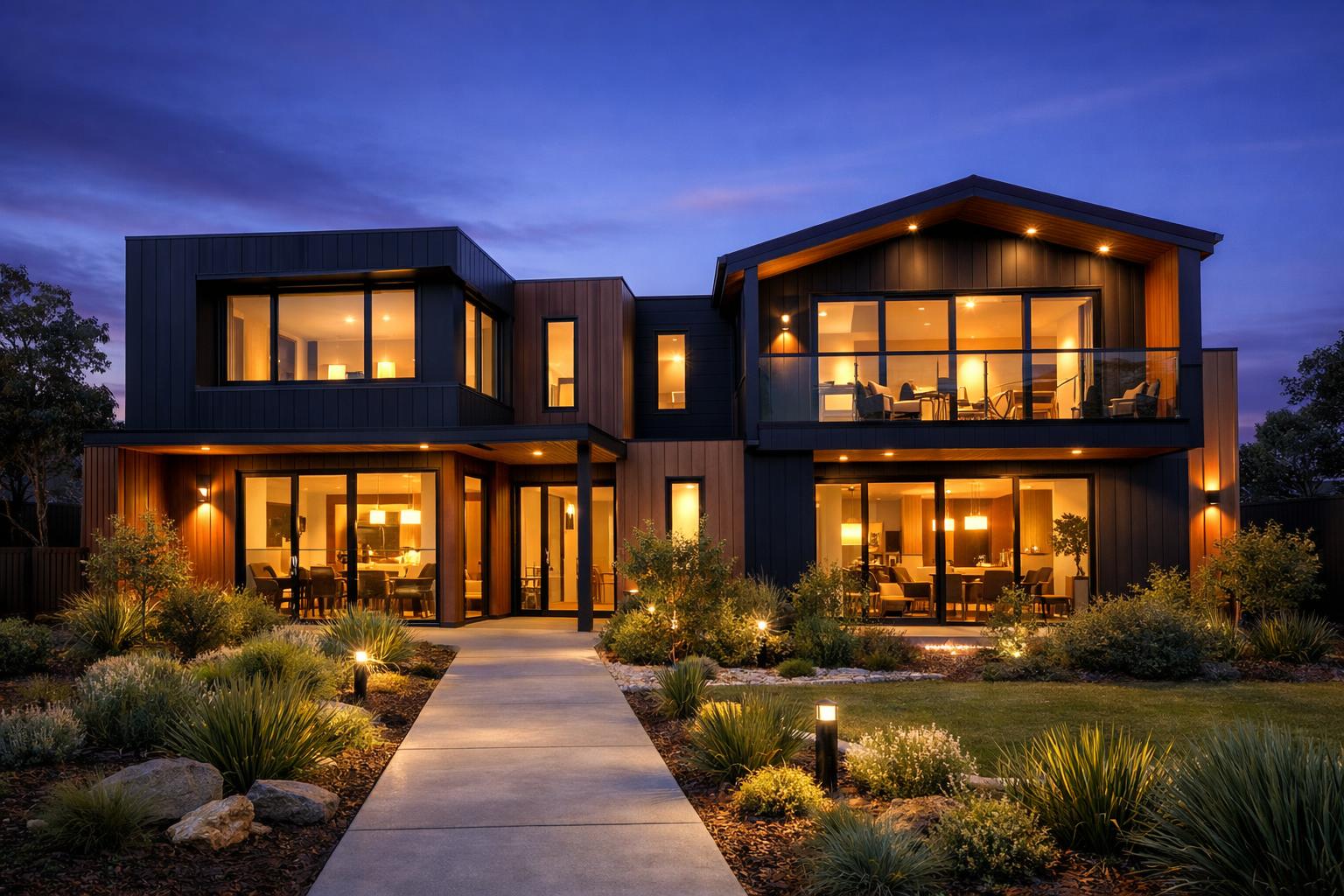
Purpose-built co-living developments combine contemporary design with community-oriented living.
The Critical Success Factor
Not all co-living is created equal. The sector's long-term credibility depends on the quality of what gets built and how it gets managed. Poorly designed, cheaply built, and badly managed shared housing, the kind that has given "rooming houses" a negative reputation in some communities, does not represent the future of co-living.
The future belongs to operators who bring genuine construction discipline, professional governance, and community-oriented design to the sector. Developments that are compliant, well-finished, thoughtfully managed, and integrated into their neighbourhoods will attract better tenants, sustain higher occupancy, and build the trust that the sector needs to grow.
This is the approach EME Rooming was built on, and it is the standard we believe the sector needs.
These are structural, demographic forces that will define Australian housing for the next two decades. The question is not whether co-living will grow. It is who will develop it with the discipline it deserves.
References
Australian Institute of Health and Welfare (AIHW), Housing Affordability, 2025. Citing ANU Centre for Social Policy Research data: more than 1 in 4 (26%) of all households spend over 30% of disposable income on housing. aihw.gov.au
Domain Group, September 2025 Rental Report, as reported by SBS News, 27 December 2025. Combined capital city median weekly rent of $650 for houses and units. sbs.com.au
Australian Bureau of Statistics (ABS), Latest Insights into the Rental Market, 2025. National rental vacancy rate of 1.6% in March 2025. abs.gov.au
National Housing Supply and Affordability Council (NHSAC), State of the Housing System 2025. Net housing completions fell short of newly formed households by approximately 68,000 in 2024. nhsac.gov.au
Australian Bureau of Statistics (ABS), Household and Family Projections, Australia, 2021 to 2046, 2024. Lone-person households projected to grow as proportion of all households. abs.gov.au
CoreLogic / Associate Professor Ben Phillips, ANU, Australian Rental Cost Trends, 2025. National rents surged approximately 42.7% over five years while wages grew only 15.8% over same period. polis.cass.anu.edu.au
World Health Organization (WHO), WHO Commission on Social Connection, launched November 2023. Loneliness declared a "global public health concern." who.int
U.S. Surgeon General Dr Vivek Murthy, Our Epidemic of Loneliness and Isolation, Advisory Report, May 2023. hhs.gov
Holt-Lunstad J, Smith TB, Layton JB, Social Relationships and Mortality Risk: A Meta-analytic Review, PLOS Medicine, 7(7), 2010.
CoreLogic, Quarterly Rental Review, Australia, April 2025. National rents climbed 38.4% since March 2020.
National Housing Supply and Affordability Council (NHSAC), State of the Housing System 2024. Advertised rents increased approximately 35% since start of the decade. nhsac.gov.au